REVIEW · NICOSIA
Nicosia: Last Divided City, Tour combining South & North
Book on Viator →Operated by Eleni Ellinas · Bookable on Viator
Divided cities can feel like a history lesson. In Nicosia, you actually walk the lines. This South & North tour in Lefkoşa weaves Ottoman inns, a landmark mosque, and the Venetian fortifications into a tight 2–3 hour route.
Two things I like a lot: you get major sights for free (the tour lists admission as free for every stop), and you move with a small group led by Eleni Ellinas. I also appreciate the ending at the Ledra Street checkpoint, which helps you connect your sightseeing to what you want to do next.
One consideration: this is a history-heavy walk in a sensitive political landscape, so it helps to arrive with some patience and curiosity. Also, the experience requires good weather, so plan for a reroute date if the forecast turns ugly.
In This Review
- Key highlights before you go
- A city split by walls you can actually walk
- Getting oriented: start point, end point, and how the route flows
- Büyük Han: Ottoman travelers’ hotel turned arts center
- Selimiye Camii: one huge building, multiple identities
- Venetian walls: how a fortress shapes a whole city map
- Kyrenia Gate: one passage through a thousand years of defense
- Kumarcılar Han (Gambler’s Inn): a smaller caravanserai with crafts and character
- Bedesten and Eski Ayanikola Kilisesi: the story of “church to market”
- Price and value: what $83.08 really means here
- Who this tour fits best (and who might want something else)
- The guide matters: what you can expect from Eleni Ellinas
- Should you book this Nicosia South-and-North tour?
- FAQ
- How long is the Nicosia South & North tour?
- What is the price per person?
- How many people are in the group?
- What language is the tour offered in?
- Is the admission for the listed sights included?
- Where do I meet the guide, and where does the tour end?
- Do I get a mobile ticket?
- Does the tour run in any weather?
- Are service animals allowed?
- Is free cancellation available?
Key highlights before you go
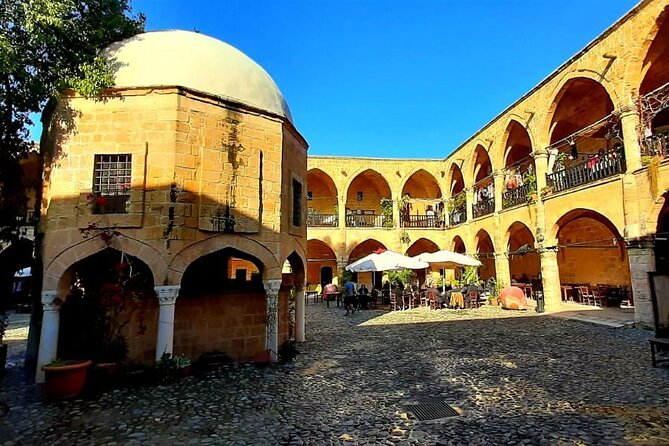
- Büyük Han: Ottoman caravanserai turned arts center, with galleries and live performances happening inside
- Selimiye Mosque (former Saint Sophia Cathedral): a rare church-to-mosque conversion story in one massive building
- Venetian Walls in plan: the Old City’s odd, unforgettable shape starts to make sense once you see the fortifications
- Kyrenia Gate: one of the main passages through the wall ring, giving you a clear sense of how the city defended itself
- Kumarcılar Han (Gambler’s Inn): a restored inner-city caravanserai with craft shops in a smaller, quieter setting
- Bedesten + Eski Ayanikola Kilisesi area: layered religious and market life across roughly a thousand-plus years
A city split by walls you can actually walk
Nicosia is one of those places where the map looks like an accident. The reason is the same reason the city feels so alive: it has been divided for decades, and you see the edges in real space.
On this tour, you’ll get that shift in perspective without turning it into a lecture. You start in the South area and the walk finishes at Ledra Street checkpoint, so you can easily continue your day on whichever side you want to explore next. The route is compact, but the themes are big: empire changes, religion changes, and trade infrastructure that kept people moving long before modern borders.
You can also read our reviews of more city tours in Nicosia
Getting oriented: start point, end point, and how the route flows

You’ll meet at Markou Drakou, Agios Dometios 2369. Then the tour ends at Ledras/Ledra Street checkpoint (Ledras 68, Nicosia 1010).
That start-and-finish design matters. It means you’re not just circling one neighborhood. You’re getting a “guided connector” between South and North, which is a practical way to handle a city that many first-time visitors treat like two separate destinations.
The tour runs about 2 to 3 hours, and it’s offered in English with a maximum of 10 travelers. With a group that size, you’re more likely to get real answers instead of being rushed through each stop.
Büyük Han: Ottoman travelers’ hotel turned arts center
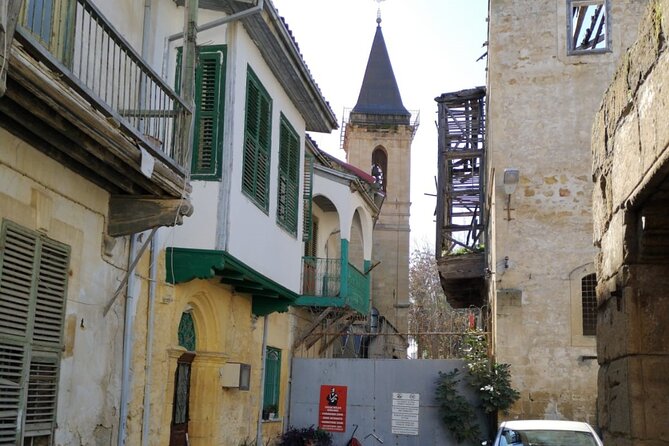
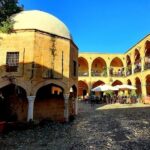
Your first stop is Büyük Han, one of the best-preserved examples of Ottoman caravanserai architecture in Cyprus. These places were built for travelers—people coming from Anatolia and around the island—so the building’s purpose was movement and lodging, not just decoration.
What makes Büyük Han feel modern is what’s inside now. It has been revived as a thriving arts center with galleries and workshops, and it’s also a stage for events like folklore dance shows, piano recitals, and drama displays. In other words, you’re not only seeing old stone. You’re seeing how the space is still used.
Why this stop is a smart opener: it gives you a visual baseline for how Nicosia handled trade and transit. When later you look at the wall ring and gates, the story clicks faster—this was a city built to control movement, and then profit from it.
Practical downside: it’s an indoor stop with current programming. If you’re trying to photograph quietly or you’re sensitive to crowds during performances, you’ll want to keep your expectations flexible.
Selimiye Camii: one huge building, multiple identities
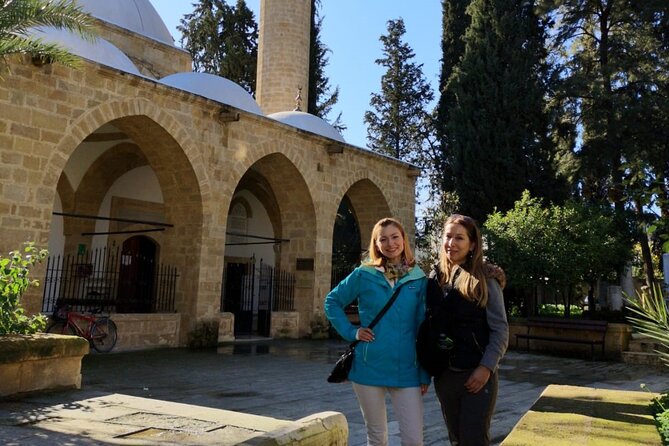
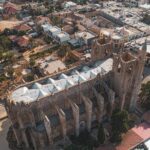
Next up is Selimiye Camii, Lefkoşa’s most prominent landmark. It’s a building that’s often described as a blend—part French Gothic church design and part mosque history—and it’s hard to miss once you’re there.
Historically, this site was known as the Cathedral of Saint Sophia. Later, it was converted into a mosque. The tour also notes that it’s the largest surviving historical building in Lefkosia and that sources claim it may have been among the largest church projects in the Eastern Mediterranean between the rise of Islam and the late Ottoman period.
Here’s why I think this stop is worth your time even if you’re not a “religious architecture” person: the building acts like a physical timeline. Walls and arches don’t just tell you what people believed—they show you what people controlled, funded, and repurposed.
Time-wise, it’s a shorter visit (about 20 minutes), so don’t expect long free-roam wandering. Instead, use the guide’s context to spot the clues that explain the conversion story.
Venetian walls: how a fortress shapes a whole city map
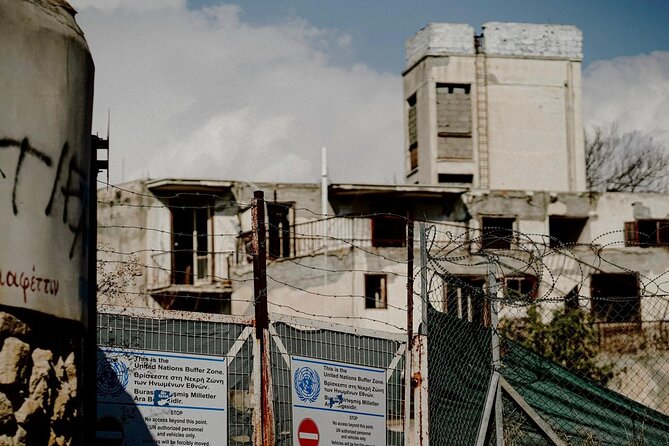
Then you shift from individual monuments to the city’s “outer shell.” You’ll see the Medieval Venetian Walls, which formed a border around the Old City.
What’s unique here is the shape. The fortifications create an odd geometry that you can’t fully appreciate from a screen. When you stand near the wall line and look at the layout, the design becomes memorable. You start to understand why the Old City feels compartmentalized and why streets curve the way they do.
This is also where you start thinking like a planner, not just a tourist. Walls aren’t romantic; they’re logistics. They determine where people can enter, where merchants can set up, and where authorities can monitor traffic.
Because this is a brief stop (about 20 minutes), you’ll get the big idea fast. If you love long wall-walks, you might later want to add independent time to revisit sections of the fortification ring.

Kyrenia Gate: one passage through a thousand years of defense
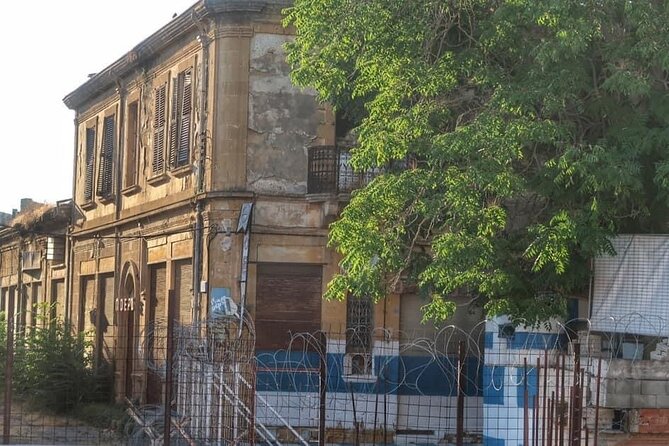
From there, you go to Kyrenia Gate, one of the three gates in the Venetian walls. Gates are powerful because they’re where a city “speaks” to outsiders.
The tour frames Lefkoşa as a walled city over a very long stretch of time, moving through different eras—from the Lusignans to the Ottomans. During the Renaissance, the Venetians reconstructed the walls around the capital due to the threat of an impending Ottoman Empire. Standing at a gate makes that strategic context feel real.
It’s a quick stop (about 10 minutes), but it can be the most satisfying kind of quick. You get a specific “portal” moment: here’s where you enter, here’s what the wall is doing, and here’s why the city grew just inside those lines.
Kumarcılar Han (Gambler’s Inn): a smaller caravanserai with crafts and character
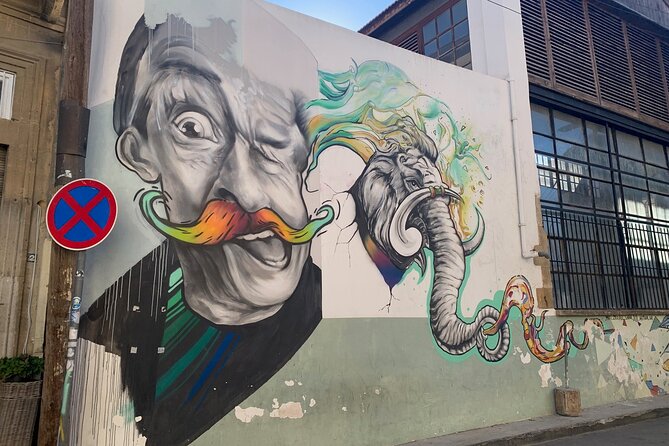
Next, you’ll visit Kumarcılar Han, also called the Gambler’s Inn. It’s another Ottoman-style caravanserai, but the tour notes it’s smaller and more modest than Büyük Han. Still, it has the typical inner-city commercial inn vibe.
One of the more interesting details here is the carved gate at the entrance. The tour says that gate dates to before the Ottoman conquest, and experts believe the structure may sit on top of an earlier building—possibly even the ruins of a monastery. That kind of layering is exactly why these hans feel like time machines: the present is built over prior chapters.
This han is fully restored and used as an attraction today, including arts and craft shops. For shopping lovers, this is a good spot to look for small, local-made souvenirs without turning the visit into a mall detour.
A minor tradeoff: because it has shops, you may feel a bit more commercial pressure than at the more “monument” stops. Still, the setting is authentic—this is how a caravanserai can live on.
Bedesten and Eski Ayanikola Kilisesi: the story of “church to market”
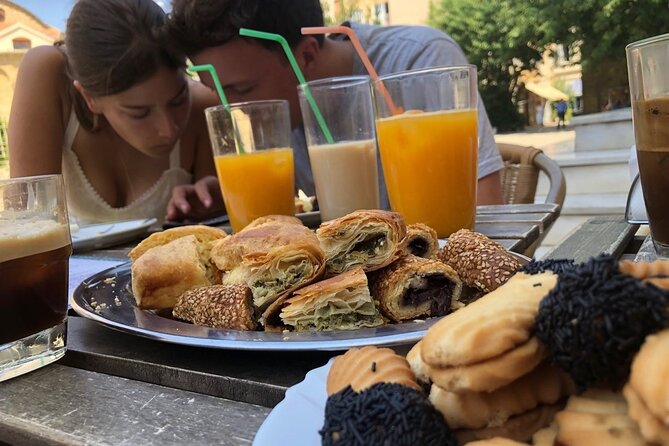
The final interior/cultural stop is the Bedesten area, connected with Eski Ayanikola Kilisesi. This is one of the key historical buildings in Lefkosia that reflects the city’s multicultural past.
The Bedesten story is long. The tour describes origins in the 6th century as a church, then expansion and rebuilding between the 12th and 16th centuries, and later conversion into a covered market during Ottoman rule. That means the building’s job changed over time: from worship space to commerce space.
To me, this is one of the tour’s best “aha” moments. It shows how a city can keep using the same structure even while its function changes completely. If you’ve ever wondered how cities adapt without starting from scratch, this is a very clear example.
The time here is about 15 minutes, so you’ll probably do a loop and soak it in, not linger for a deep inspection. Use the guide’s context to notice how the building’s layout supports its different roles.
Price and value: what $83.08 really means here
At $83.08 per person for about 2 to 3 hours, you’re paying for more than walking. You’re paying for translation of context: the why behind Ottoman hans, the conversion story of Selimiye, and the political-geography meaning of the walls and checkpoint ending.
A big value point is that the tour lists free admission for each stop. That means you’re not paying extra sight-by-sight fees on top of the tour price. Also, because the group caps at 10, you’re not stuck in a cattle-line experience.
One more practical note: the tour is commonly booked about 59 days in advance on average. That’s a sign it’s a popular way to tackle South-and-North logistics in a short window. If you’re traveling in peak season, I’d plan to book early rather than gamble.
Who this tour fits best (and who might want something else)
This works especially well if:
- You want a guided introduction to Nicosia’s split city reality without spending days planning
- You like architecture and urban history, but you don’t want to get lost with no context
- You value a small group format (max 10) where you can ask questions and get straight answers
It may feel less ideal if:
- You want a long self-guided wander day with zero structure
- You’re hoping for a party-like “fun walk” only. This tour carries weight, and the guide’s focus is on meaning, not just photo stops.
The guide matters: what you can expect from Eleni Ellinas
The experience is led by Eleni Ellinas. The consistent theme in feedback is that she’s professional and attentive, and that she can handle a tour that carries a lot of history and emotion. That matters in a city like Nicosia, where the details are not just academic.
Another plus: the guide brings personal local perspective into the story—so you don’t just hear facts, you also hear how people live with this geography day to day. Practical tips also show up in the experience, like suggestions for coffee, spices, and where to fit in a Cypriot lunch afterward. That kind of local advice is hard to replicate from a generic walking audio guide.
Should you book this Nicosia South-and-North tour?
If you want one efficient way to understand Nicosia’s division and its older layers of Ottoman and Venetian influence, I’d say yes, book it. The route hits major landmarks in a tight time window, admission is listed as free at the stops, and the small group size keeps the experience human.
I’d especially recommend it if this is your first time in the city. You’ll leave with better bearings fast—on the walls, the gates, and what the buildings were built to do.
The only real “wait” condition: keep an eye on the weather. Since the experience requires good weather, plan your overall day with some flexibility.
FAQ
How long is the Nicosia South & North tour?
The tour runs about 2 to 3 hours.
What is the price per person?
The price is $83.08 per person.
How many people are in the group?
The tour has a maximum of 10 travelers.
What language is the tour offered in?
The tour is offered in English.
Is the admission for the listed sights included?
The tour lists admission tickets as free for each stop.
Where do I meet the guide, and where does the tour end?
You start at Markou Drakou, Agios Dometios 2369, and the tour ends at the Ledra Street checkpoint (Ledras 68, Nicosia 1010).
Do I get a mobile ticket?
Yes, the tour uses a mobile ticket.
Does the tour run in any weather?
The experience requires good weather. If it’s canceled due to poor weather, you’ll be offered a different date or a full refund.
Are service animals allowed?
Yes, service animals are allowed.
Is free cancellation available?
Yes. You can cancel up to 24 hours in advance for a full refund.