REVIEW · AYIA NAPA
First Time Scuba Dive Adventure, Makronissos, Ayia Napa
Book on Viator →Operated by Tempo Divers Freediving & Scuba · Bookable on Viator
Cold water, calm nerves, and fish everywhere.
This first-time scuba experience runs from Makronissos Beach in Ayia Napa and mixes a short classroom-style safety lesson with hands-on practice, then takes you on a guided underwater route to 10 meters. With a tiny group and an instructor staying close, it’s the kind of outing where you can focus on breathing and the view, not on guessing what comes next.
I especially like how the session starts with a clear theory briefing—signals, safety, and how to use the equipment—before you even touch open water. I also like the step-by-step progression: very shallow practice first, then you go deeper once you’re comfortable, which makes the whole thing feel manageable even if you’re nervous.
One thing to consider: the water can be cold (people call it freezing), and you’ll be on your own for getting there since there’s no pickup.
In This Review
- Key things to know before you go
- Makronissos Beach: Why this spot fits first-timers
- Before you hit the water: signals, safety, and your gear basics
- Shallow-water practice: the confidence step most people need
- The main underwater experience: from the beach to 10 meters
- Instructor Photis and the “stay-close” style that works
- Photos and video: a small add-on with big memories
- Price and value: what $72.18 really buys you
- Getting there and the 12:00 start time
- Who this scuba session suits (and who should think twice)
- Should you book first-time scuba at Makronissos?
- FAQ
- Where is the meeting point for this experience?
- What time does the activity start?
- Is there pickup from a hotel or central location?
- How long does the experience take?
- What is the maximum depth you will reach?
- Do I need prior scuba experience?
- What language is the tour offered in, and how big is the group?
Key things to know before you go
- Makronissos Beach is the base: meet right at the shoreline, no complicated transfers.
- Tiny groups (max 4): you get personal attention and lots of time with your instructor.
- Theory first, then shallow practice: you learn signals and gear use before going any deeper.
- Max depth is 10 meters: a real scuba goal that still feels controlled for first-timers.
- Instructor stays within reach: reassuring for anyone who wants confidence over bravado.
- Extra photo/video add-on is available: and people say it’s worth it for memorable shots.
Makronissos Beach: Why this spot fits first-timers
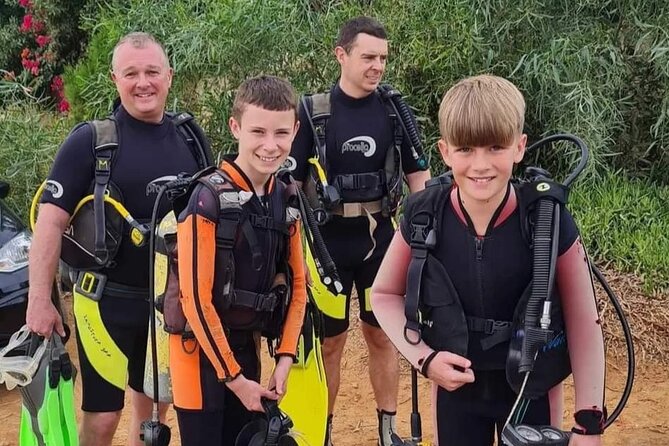
If you’re doing your first scuba experience, the location matters more than people think. Here, you start at Makronissos Beach in Ayia Napa, which means you’re not trying to figure out logistics while you’re already holding your breath (figuratively, hopefully). Meeting at the beach also keeps things simple: you show up, get your gear, get briefed, and you’re in the water quickly.
Another practical win is that the setup is built around comfort. You begin with very shallow water practice, so you can get your breathing rhythm and equipment feel without immediately committing to deeper open water. That matters if you’re the type to overthink—this experience doesn’t reward panic. It rewards calm, slow steps.
And yes, expect cold. Multiple experiences point out that the water can feel freezing, even though the goal is “just relax and enjoy.” You’ll likely get a scuba suit, which helps, but if you run cold in general, it’s worth mentally preparing for that first chill.
You can also read our reviews of more scuba diving tours in Ayia Napa
Before you hit the water: signals, safety, and your gear basics
You’ll get a detailed theory session before you go underwater. This isn’t a vague pep talk. The briefing covers:
- Safety underwater (how to stay in control and what to do)
- Equipment use (so you’re not learning with your hands full)
- Hand signals (the non-verbal communication you’ll use once you’re down there)
- Aquatic life awareness (so you know what you’re likely to see and how to behave around it)
I like this approach because it respects your brain. Your first instinct underwater is usually not “look at fish.” It’s “why does this feel different?” Learning the signals and basics first reduces that foggy feeling.
Also, having an instructor explain what you’ll do next makes the whole outing smoother. You won’t be watching other people and copying movements while hoping nobody notices you’re lost. You’ll get a plan—and then you’ll practice it.
Shallow-water practice: the confidence step most people need
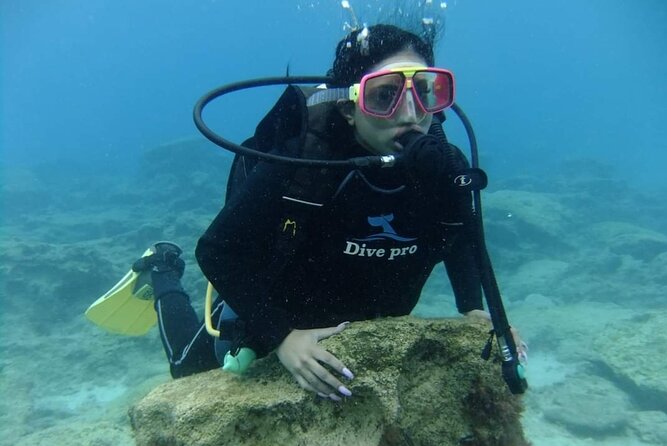
The experience includes shallow practice in the sea before you proceed deeper. This is where you “get your bearings fast,” in a good way. You’ll practice breathing with the equipment, adjust to the sensation, and learn how to move while staying relaxed.
This stage is built for first-timers, including kids. In the stories I’m drawing from, a father and son (with the son about 12) found this step especially helpful: they started shallow, gave it a try, then the instructor stayed nearby while the parent moved further. That’s a strong sign the training logic is flexible. If you’re anxious, you still have a path forward.
You’ll also feel the value of small groups here. With a maximum of 4 travelers, the instructor can slow down, repeat instructions, and correct technique without feeling rushed. That’s the difference between “I tried” and “I understood.”
The main underwater experience: from the beach to 10 meters
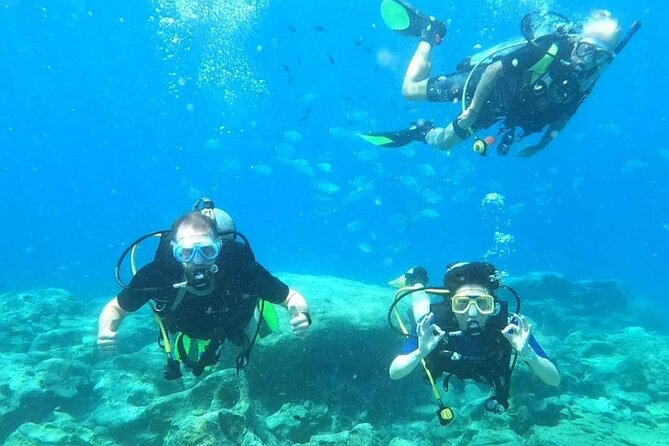
Once you’re comfortable, you continue from the beach on a guided underwater outing. The route is described as going through beautiful underwater topography and nature, with guidance that keeps you from floating off into the unknown.
A key detail: the maximum depth is 10 meters, which is deep enough to feel like scuba, but shallow enough that the experience stays realistic and teachable for first-timers. You’re not being sent on some extreme endurance mission. It’s meant to help you experience the underwater world clearly while still staying within a controlled depth limit.
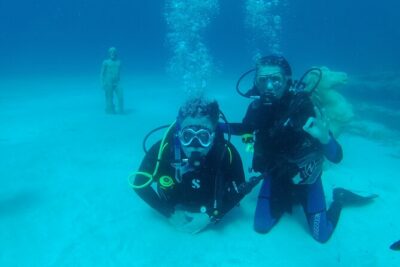
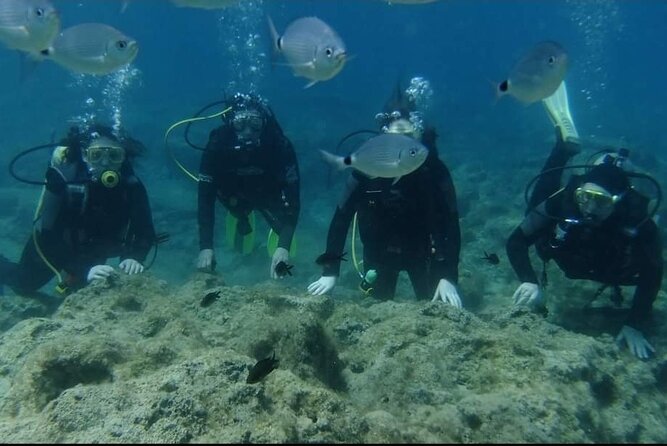
You’ll likely notice how clean the water can be and how active marine life feels near the shore. In experiences like this, people often come away talking about fish and the feeling of being surrounded once your breathing steadies. The instructor is also within reaching distance at all times, which is reassuring if you have moments where you feel like you need a quick check-in.
If you’re the type who freezes up underwater, this is where the training shows. The goal isn’t just to “make it deeper.” The goal is to stay calm enough to actually enjoy what you came for.
Instructor Photis and the “stay-close” style that works
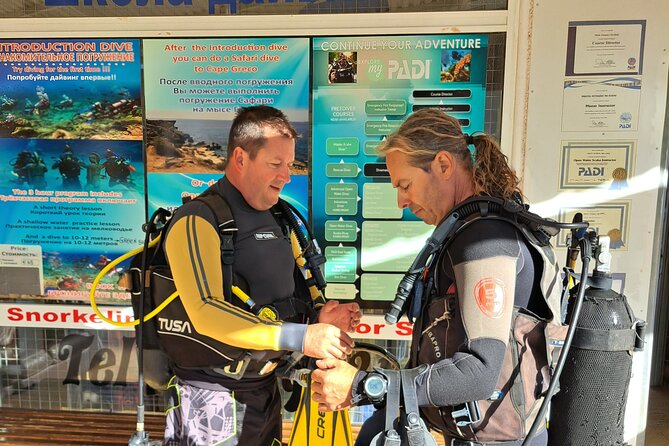
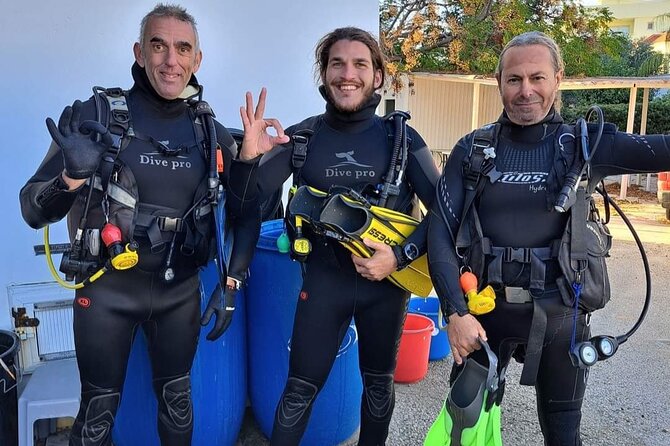
The instructor experience is the real headline. In multiple accounts, Photis is described as patient, calm, and clear—especially with beginners and nervous people.
What I find practical about this style is that it doesn’t just give instructions. It creates feedback loops. You’re taught signals and safety, then you see them applied in water. If you’re okay, you get the go-ahead. If you’re unsure, you get reassurance. That “within reaching distance” approach prevents the classic beginner problem: going underwater and immediately feeling alone.
People also highlight how the instructor helps with comfort and confidence. One parent story mentions that the instructor signaled and checked in continuously. Another says Photis guided photography moments too, adjusting positioning and even asking someone to turn so the light would hit for better photos.
If you care about learning, look for that feedback-driven coaching. If you care about photos, look for the extra care with positioning. Either way, the instructor’s temperament matters—and here, the pattern is consistently strong.





Photos and video: a small add-on with big memories
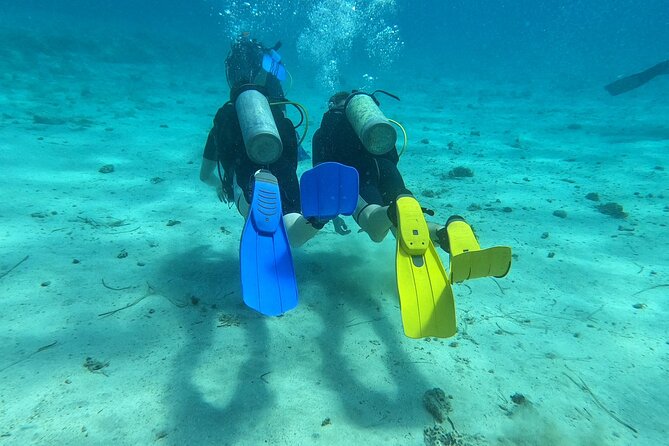
There’s an optional photo/video add-on, offered for an extra small fee. This isn’t listed as part of the base cost, but people say the results are genuinely good—sometimes described as fantastic pictures.
For a first scuba experience, this matters more than you’d think. Underwater, you don’t get to be in “selfie mode.” Your attention goes to your breathing, your buoyancy, your signals, and not kicking the wrong way. So having someone else capture the moment can turn the whole trip into something you can actually relive later.
If you’re even slightly camera-minded, I’d plan on the add-on. You’ll be glad you did once you see how the underwater environment looks on camera.
Price and value: what $72.18 really buys you
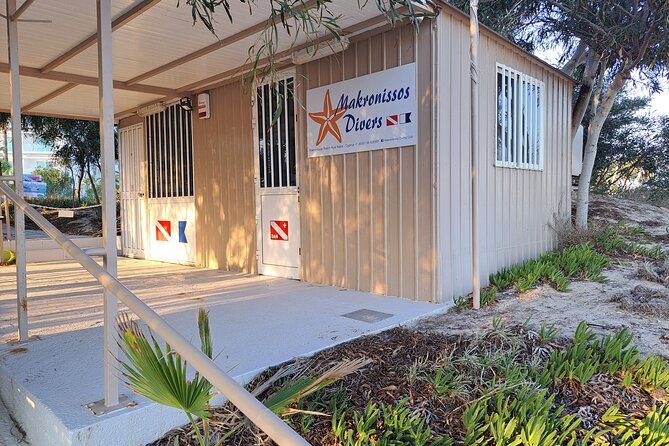
At $72.18 per person, this isn’t priced like a “try it once” souvenir activity. You’re paying for structured instruction plus equipment.
Here’s what you get that supports the value:
- Scuba equipment included
- A theory session focused on safety, signals, and equipment use
- Shallow practice before any deeper part
- A guided underwater outing with an instructor staying close
- Small group size (max 4), which usually costs more than large-bus-style groups—because it’s slower and more hands-on
The one thing you don’t get is pickup. You’ll need to get to Makronissos Beach yourself. That cost is mostly time and transport planning, not extra money.
If you compare this to many beginner activities that feel rushed or overcrowded, the small-group training and the instructor’s patient coaching make this feel like a solid deal. It’s a good price for a structured introduction rather than a quick rental-and-go.
Getting there and the 12:00 start time
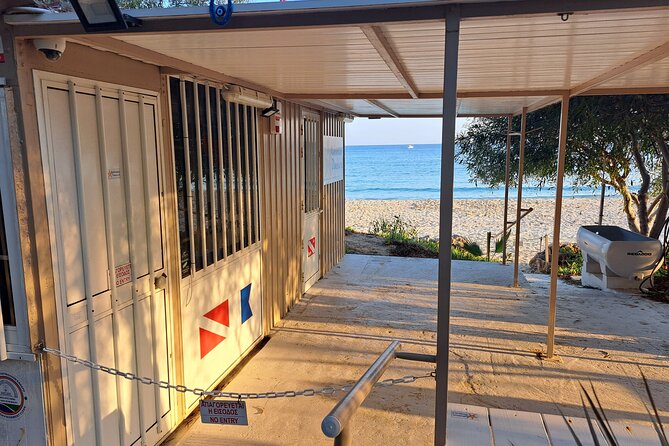
The session starts at 12:00 pm and ends back at the meeting point. There’s no pickup, so you’ll want to plan your arrival to Makronissos Beach with a little buffer—especially if you’re coming by bus or walking.
The area is described as near public transportation, which is helpful in a place like Ayia Napa where you might not want to rely on taxis for one activity. Still, beach start times can be misleading: the clock starts when you’re supposed to meet, not when you finally find parking.
So I recommend you aim to arrive early enough to:
- locate the exact meeting spot on the beach
- check that you’re in the right group
- get settled before you start the theory portion
Who this scuba session suits (and who should think twice)
This is built for beginners. If you’ve never done scuba before, the structure makes it approachable: theory, shallow practice, and then a controlled deeper experience.
It also seems to work well for nervous first-timers. In stories from the group, people included a 12-year-old and a 13-year-old who were anxious at first but ended up glad they tried. The key was starting shallow and having the instructor stay close.
Fitness-wise, the requirement is moderate physical fitness. That doesn’t mean you need to be athletic, but you should be comfortable enough for moving with equipment, handling water-based instructions, and staying calm for the full 2 hours 30 minutes.
If you know you struggle badly with cold water or panic in unfamiliar environments, this is where you should be honest with yourself. The instructors can guide you, but they can’t remove the sensation of cold sea water instantly.
Should you book first-time scuba at Makronissos?
I think this is a strong choice if you want your first underwater experience to feel guided, not chaotic. The combination of:
- clear theory and safety
- shallow practice
- a tiny group
- and an instructor style like Photis (patient, reassuring, close-by coaching)
…creates the right conditions for learning.
Book it if:
- you want a structured intro with equipment included
- you’re worried you might freeze up and want a step-by-step approach
- you care about getting good underwater photos too
Skip (or choose carefully) if:
- cold water will be a dealbreaker for you
- you can’t handle the moderate physical effort of a short but active outing
Overall, this feels like a good-value first scuba experience in Ayia Napa: not flashy, not complicated, and built around getting you comfortable enough to enjoy what’s under the surface.
FAQ
Where is the meeting point for this experience?
You meet at Makronissos Beach, Ayia Napa 5330, Cyprus.
What time does the activity start?
The start time is 12:00 pm.
Is there pickup from a hotel or central location?
No. No pickup is provided, and the activity ends back at the meeting point.
How long does the experience take?
It runs for about 2 hours 30 minutes.
What is the maximum depth you will reach?
The maximum depth is 10 meters.
Do I need prior scuba experience?
This is described as a first time scuba experience, with a theory session and shallow-water practice before going deeper.
What language is the tour offered in, and how big is the group?
The experience is offered in English, with a maximum of 4 travelers.
If you want, tell me your comfort level with cold water and whether you’re going as an adult or with kids—and I’ll help you decide what mindset and prep will make this feel easiest.