REVIEW · AYIA NAPA
3-hour Guided kayaking trip around Agia Napa Sea Caves
Book on Viator →Operated by Cyprus Walks Etc · Bookable on Viator
Sea caves meet simple kayaking. This guided sit-on-top trip targets the Ayia Napa Sea Caves area, and in the right season and conditions you can even paddle close to the cave passages off the coast. I really liked the relaxed, beginner-friendly pace set by guide Phivos, plus the private setup so you can take breaks without feeling rushed.
One thing to keep in mind: access is seasonal, and the plan depends on the morning weather. You will likely get wet even with the provided small dry bag and loaner dry bags, and the trip expects you to be able to swim while wearing a PFD.
In This Review
- Key points before you go
- Why Ayia Napa Sea Caves are perfect for a guided kayak
- Phivos and the value of a private, photo-friendly guide
- Ammos Kambouri Beach setup: where the trip actually starts
- Sit-on-top kayak basics: what beginner-friendly really means
- The caves and Lovers’ Bridge: what you’ll look for up close
- Cave season rules and the morning weather check
- If conditions change: scenic walks and coastal viewpoints
- What’s included, what you should bring, and how to stay comfortable
- Should you book this Ayia Napa Sea Caves kayaking trip?
- FAQ
- How long is the kayaking trip?
- Is this tour private?
- Where do we meet, and where do we return?
- Are hotel transfers included?
- What’s included with the kayaking gear?
- Can we paddle inside the sea caves?
- Do I need to be able to swim?
Key points before you go
- Season matters for cave access: caves are off-limits roughly from November through April, with cave paddling typically possible March 16 to November 14 if conditions allow.
- You start at Ammos Kambouri Beach and end back there, so it stays easy and focused.
- Loaner dry bags help, but salt water spray still happens, so pack accordingly.
- Private tour pace with Phivos: he adjusts to your speed and takes good photos.
- A morning weather check changes the route: if needed, you’ll paddle around Green Bay and Fig Tree Bay instead.
- You need to swim even though the kayaks float and everyone wears a PFD.
Why Ayia Napa Sea Caves are perfect for a guided kayak
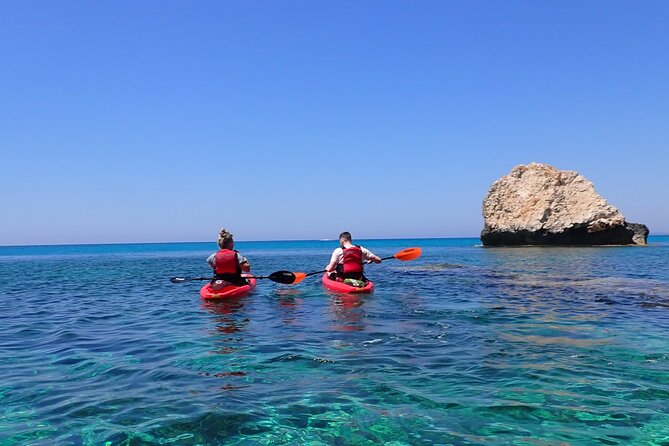
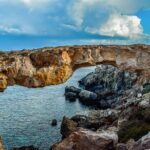
The Ayia Napa Sea Caves complex is the kind of coastline that looks different every few strokes. You’re paddling along a mix of sea caves, rock formations, natural arches, and narrow cuts just off the fishing port area near Pantahou and Glyky Nero beaches. Even if you’ve never used a kayak before, this is a great place to learn because the route stays within a coastal zone where your guide can manage timing and spacing.
What I like most is that you’re not just staring at sea views from land. With a kayak, you get close to the rock shapes that make the area famous, including the famous Lovers’ Bridge formation in the cave complex area. It’s also visually rewarding without needing technical kayaking skills or big open-water confidence.
You can also read our reviews of more tours and experiences in Ayia Napa.

Phivos and the value of a private, photo-friendly guide
This is a private tour, so you don’t get shuffled into a crowd. That matters on a waterside activity because pauses, quick instructions, and photo moments are easier when your group stays the main focus.
Phivos stands out from the start. In real trips, he’s been described as friendly and knowledgeable about the local area, and he also helps by taking really nice pictures during the paddle. Even better, his approach is flexible: when weather doesn’t cooperate, he can switch to a scenic coastal walk and still keep you moving and entertained instead of cancelling on the spot.
Ammos Kambouri Beach setup: where the trip actually starts
You meet at Ammos Kambouri Beach in Ayia Napa, and the activity ends back at the same spot. That simple out-and-back flow helps you plan your day. The tour also offers free transfers from hotels in Nicosia, Larnaca, Protaras, and Ayia Napa, which is a big value add if you’d otherwise be figuring out taxi logistics.
Before you paddle, you’ll get what you need for a sit-on-top kayak trip: paddle, PFD (life jacket), and a small dry bag. There are also loaner dry bags available to borrow, which is useful because sea spray can be more annoying than you expect on a short excursion.
Sit-on-top kayak basics: what beginner-friendly really means
This is marketed as beginner-friendly, and there’s a practical reason: you’re on a sit-on-top kayak. You’ll be higher above the water than in many other kayak styles, and that makes balance feel less intimidating at the start.
Still, don’t treat it like a lazy float. Kayaks are light (about 18 kg each) and can move relatively fast depending on rider weight. The guide expects you to understand that added weight means more effort to keep moving forward, so if you’re near the upper end of the recommended weight, plan for more work with your arms and core.
A few safety points to take seriously:
- You should be able to swim.
- Even with flotation and PFDs, the trip is not designed for people who want a no-effort experience.
- While a dry bag is provided, you should assume you’ll get wet and don’t bring items that hate salt water.
The caves and Lovers’ Bridge: what you’ll look for up close
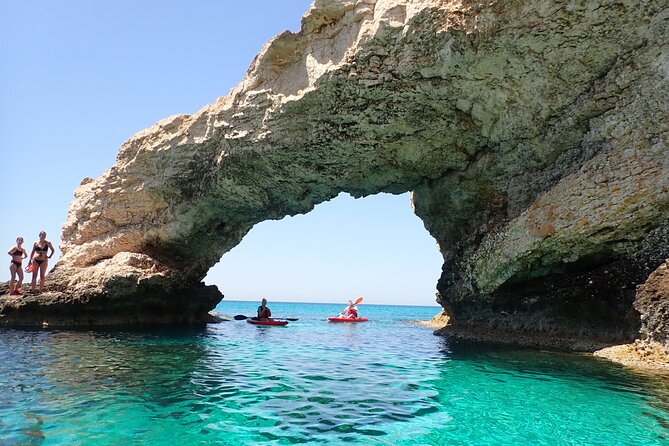
The core of the kayaking route is the Ayia Napa Sea Caves complex, one of the most western points on the itinerary. The area sits on the east side of the Ayia Napa fishing port, just east of Pantahou and Glyky Nero beaches. From the water, you’ll see a mix of formations: caves that can be very narrow, areas wide enough for a person to pass comfortably, plus natural arches and tunnels.
One highlight is the chance to view the formation commonly known as Lovers’ Bridge. From kayak height, you can appreciate the shape of the arch and how the rock frames the sea beyond. If cave access is allowed on your date and conditions are right, you may even get into cave areas that are described as extremely narrow in spots, with some sections feeling more like a natural cut through stone than a traditional cave opening.
A solid expectation: you won’t rush. The guide can set your pace, add breaks when you need them, and keep everyone oriented so the rock shapes stay part of the experience rather than just a backdrop.


Cave season rules and the morning weather check
This trip is strongly shaped by two real-world forces: the calendar and the sea state.
First, cave access is not offered during the cold season when access is prohibited, which has been described as beginning in early November and running until the end of April. The reason given is protection for Mediterranean monk seals and their pups, which means this is about conservation, not convenience. So if you’re traveling in winter or early spring, plan on an alternative route rather than expecting cave entry.
Second, even when the calendar allows it, the guide checks the weather early in the morning. If conditions are not good for the caves, the plan shifts: you may paddle around Green Bay and Fig Tree Bay, assuming the east-coast conditions are better and you agree. This is a smart way to keep the trip on the water and reduce the odds of a painful, delayed experience.
If conditions change: scenic walks and coastal viewpoints
Sometimes the sea just says no. When kayaking isn’t possible due to weather, the guide can pivot to an extensive scenic walk exploring coastal areas, including broader views around Ayia Napa and Cape Greco area stops.
This is more than a consolation prize. On one example trip, Phivos combined the walk with history talk, giving a quick timeline-style overview of Cyprus from around 2000 BC up to more recent times. That kind of side context can turn a weather-off day into a memorable one, especially if you like learning while you move.
What’s included, what you should bring, and how to stay comfortable
For a short 2–3 hour outing, this tour covers the essentials well:
- Use of a single-person sit-on-top kayak
- Paddle and PFD
- Small dry bag
- Loaner dry bags available to borrow
- Services of an experienced guide (private group)
- Free transfer by car from select areas, plus transport in the company car as an included option (not treated as a paid transportation add-on)
Two practical notes that will save you discomfort:
- Bring swimwear and quick-dry layers. Even with dry bags, you’ll likely get splashed, and you’ll feel better if you can dry fast.
- Don’t rely on the small dry bag for everything. Use it for essentials and keep valuables in a loaner dry bag when possible.
Also, bottled water is not provided (plastic bottles are minimized), so plan to bring your own water or pick it up locally before you meet.
Should you book this Ayia Napa Sea Caves kayaking trip?
Book it if you want a guided way to see sea caves up close without needing expert skills. The private format, the guide support, and the gear setup make it a strong choice for beginners who are comfortable getting wet and meeting a basic fitness and swim standard.
Skip or choose a different style of activity if you dislike changing plans due to conditions, or if you’re uncomfortable with water-based activities. Even when everything goes well, you should expect spray, salt, and work with your arms if you’re carrying more weight.
If your travel dates fall within March 16 to November 14, you’ll have the best shot at cave paddling when sea conditions permit. If you’re traveling outside that window, go in with the mindset of coastal caves and formations when possible, plus the guide’s flexible alternative plan.
FAQ
How long is the kayaking trip?
It runs about 2 to 3 hours.
Is this tour private?
Yes. It’s a private tour/activity, so only your group participates.
Where do we meet, and where do we return?
You meet at Ammos Kambouri Beach, Ayia Napa 5330, Cyprus, and the activity ends back at the same meeting point.
Are hotel transfers included?
Yes. Free transfers are offered from hotels in Nicosia, Larnaca, Protaras, and Ayia Napa.
What’s included with the kayaking gear?
You’ll get a single-person sit-on-top kayak, paddle, PFD, and a small dry bag. Loaner dry bags are also available to borrow.
Can we paddle inside the sea caves?
Access depends on the date and conditions. Cave paddling is possible between March 16 and November 14, if sea conditions permit. Cave access is prohibited during the colder months (described as early November through end of April).
Do I need to be able to swim?
Yes. The kayaks float and everyone wears a PFD, but the tour expects you to be able to swim.